Understand the Parts
Learn how extraction works, where moisture can remain, when drying may be discussed, and which records describe the agreed tasks.
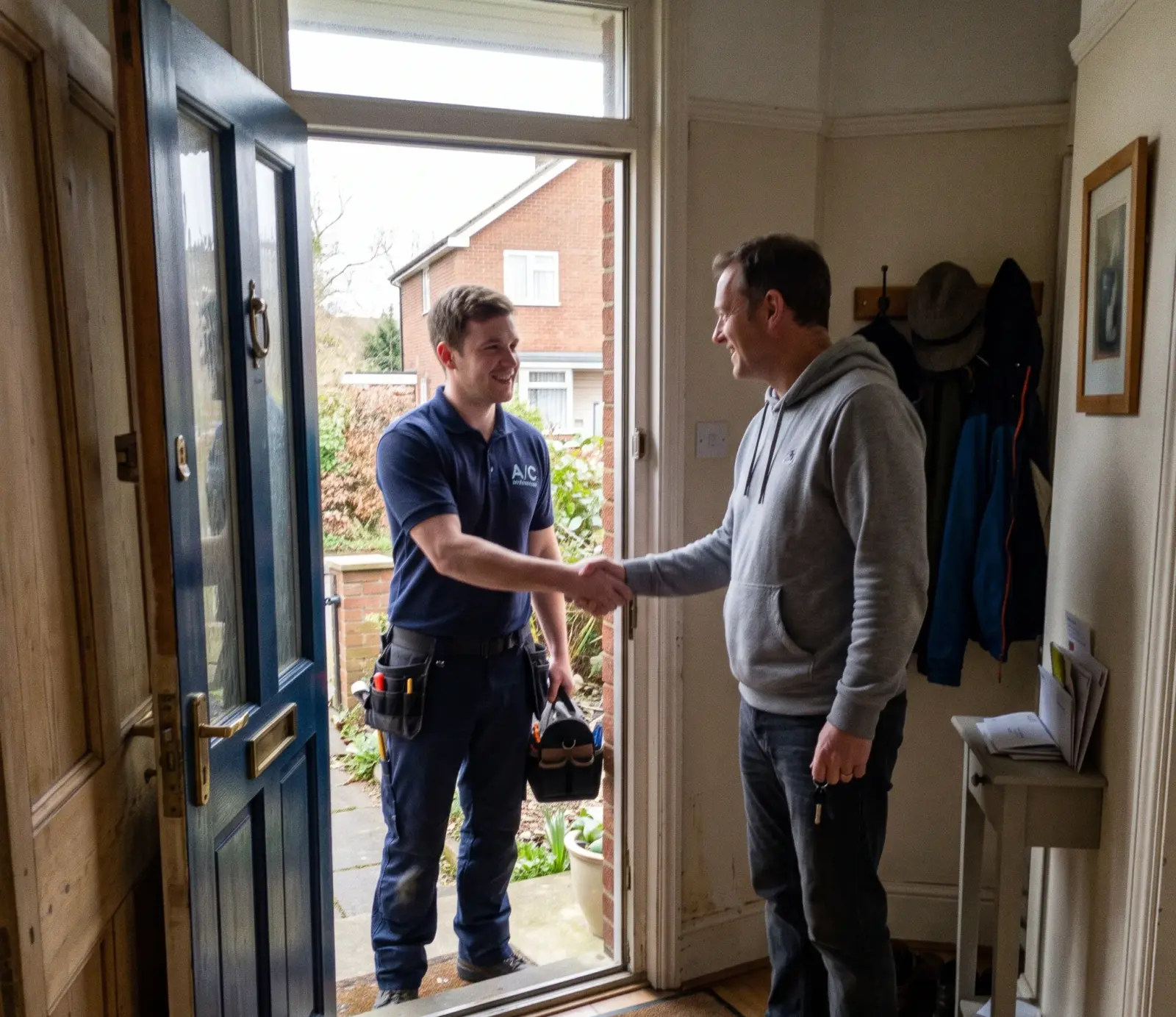
A pipe breaks on a weekday, or rain pushes water into a room, and the homeowner needs to know who will handle the call. This site connects Carmel residents with independent local professionals; it does not operate water removal crews. A homeowner near the Monon Greenway or the Arts & Design District can ask the pros we connect you with whether they serve the address, have current availability, when they could visit, and whether an assessment or visit carries a charge. Those answers come from the professional taking the request.
The site is a referral point, not a water removal company with its own field staff. A caller can describe the concern without deciding in advance what kind of work is needed. Extraction addresses the water that can be removed; damp building materials may still need assessment and drying afterward. The address, affected spaces, and material conditions shape the work. A call starts that conversation, while the provider confirms what can actually be done.
A useful referral starts with the event: a homeowner can say when water appeared, what part of the property it reached, and whether more water is entering. Knowing whether the water came from a leak or an overflow can help frame the request. Ask whether the proposed visit covers water removal alone, how remaining dampness will be assessed, and if drying equipment is part of the plan. That separates immediate extraction from later work before arrangements are made.
In Carmel, a homeowner can find the visible pool gone while flooring or trim still holds moisture. That difference affects what happens next: extraction clears collected water, but it does not show whether building materials have dried. Moisture can spread beyond where water first collected, so nearby materials may need attention too. A landmark such as Quaker Park or Fashion Mall can help orient a property when describing its location; neither tells what conditions are inside that particular building.
The pros we connect you with are independent local professionals who assess conditions and define what their visit covers. Before arranging removal in Carmel, establish whether the request is for pooled water alone or includes moisture checks and drying equipment. Pumps or wet vacuums may clear visible water, while damp flooring can call for additional work. Ask whether an active source or possibly contaminated water changes the scope, since repairs and contaminated-water cleanup are separate. The affected areas and materials help shape an estimate.
For a Carmel property, the owner can verify the full address, service-area fit, current availability, expected visit timing, and any assessment or visit charge with the professional handling the request. Then ask what the written scope includes, whether drying is separate, and what records will be provided. If the water source is still active, who should address it? If the visible water is gone, what would show whether materials remain damp? The pros we connect you with can answer questions about their own plan and charges.
Pick the guide closest to the event, then ask the provider to clarify removal tasks, fees, and any work for moisture left behind.
Learn how extraction works, where moisture can remain, when drying may be discussed, and which records describe the agreed tasks.
The home guide covers precautions around indoor water, what extraction may involve, and details to settle before service at a residence.
If a provider uses technical words for moisture checks, drying equipment, or the work plan, ask for each term to be explained plainly.
Note whether water is still entering, which areas are pooled, and whether electrical hazards may be present.
Water can reach flooring and wall cavities before the damage is visible on the surface. That alone does not tell a Carmel homeowner whether a provider has suitable experience or insurance. Before authorizing removal, ask the provider to describe the work, confirm what insurance applies to its business, and explain any limits or exclusions. Request a written scope and estimate. A property near the Arts & Design District needs the same direct checks as any other address.
The form gives the site information to make a referral to independent providers. The available details do not explain a ranking formula or promise that a particular provider will receive every request. A referral is an introduction; it does not amount to a city recommendation or a review of the provider’s work. If the home is near Midtown Plaza, describe the water problem clearly, then ask any provider who responds how it handles the affected materials and what work it proposes.
There is no site charge for submitting a request through this page. That covers use of the referral form, not the extraction work. A provider sets its own charges after learning about the affected areas, the amount of water, and the work requested. How long water remains on materials can affect the drying work that may be needed. A home near the Monon Greenway should get the same clear written scope as any other Carmel property.
The site uses the submitted details to arrange a referral, and a provider may receive the information needed to respond. The materials available here do not specify how long the site keeps those details or describe deletion and access procedures. Include only what helps explain the property and water issue. Avoid putting account numbers or other sensitive records in the form; share additional documents directly with a provider only when needed.
No. Sending a request does not give a provider permission to enter the property or begin removing water. The owner should speak with the provider, review the proposed scope and charges, and agree directly before work starts. Moving loose belongings away from wet areas can help protect them during an assessment. Whether the property is near Cool Creek or elsewhere in Carmel, the referral itself is not a work order.
When a Carmel owner contacts the pros we connect you with, useful details include where water is standing, which rooms or materials are affected, and what is known about its source. Keep a simple list of affected rooms and materials to compare against the written work account. Confirm whether the request can be taken, possible timing, and any visit charge. Then ask for a written account of extraction and any suggested moisture checks or drying setup.
Call (317) 799-9832