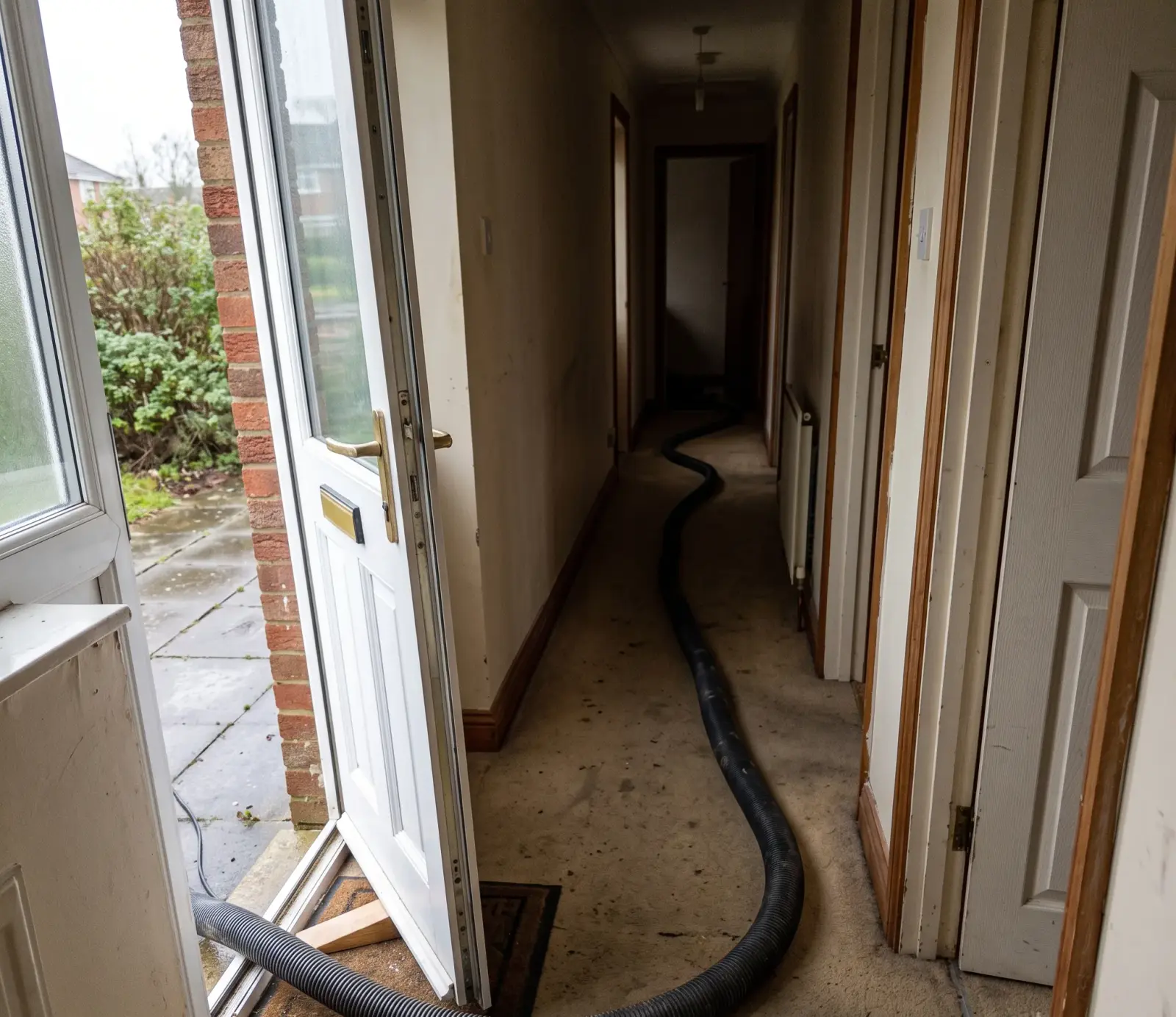
Emergency Response Time
Seasonal rain and changing water conditions can shape an extraction request, but only a provider can confirm current availability and give a Carmel arrival estimate.
Read article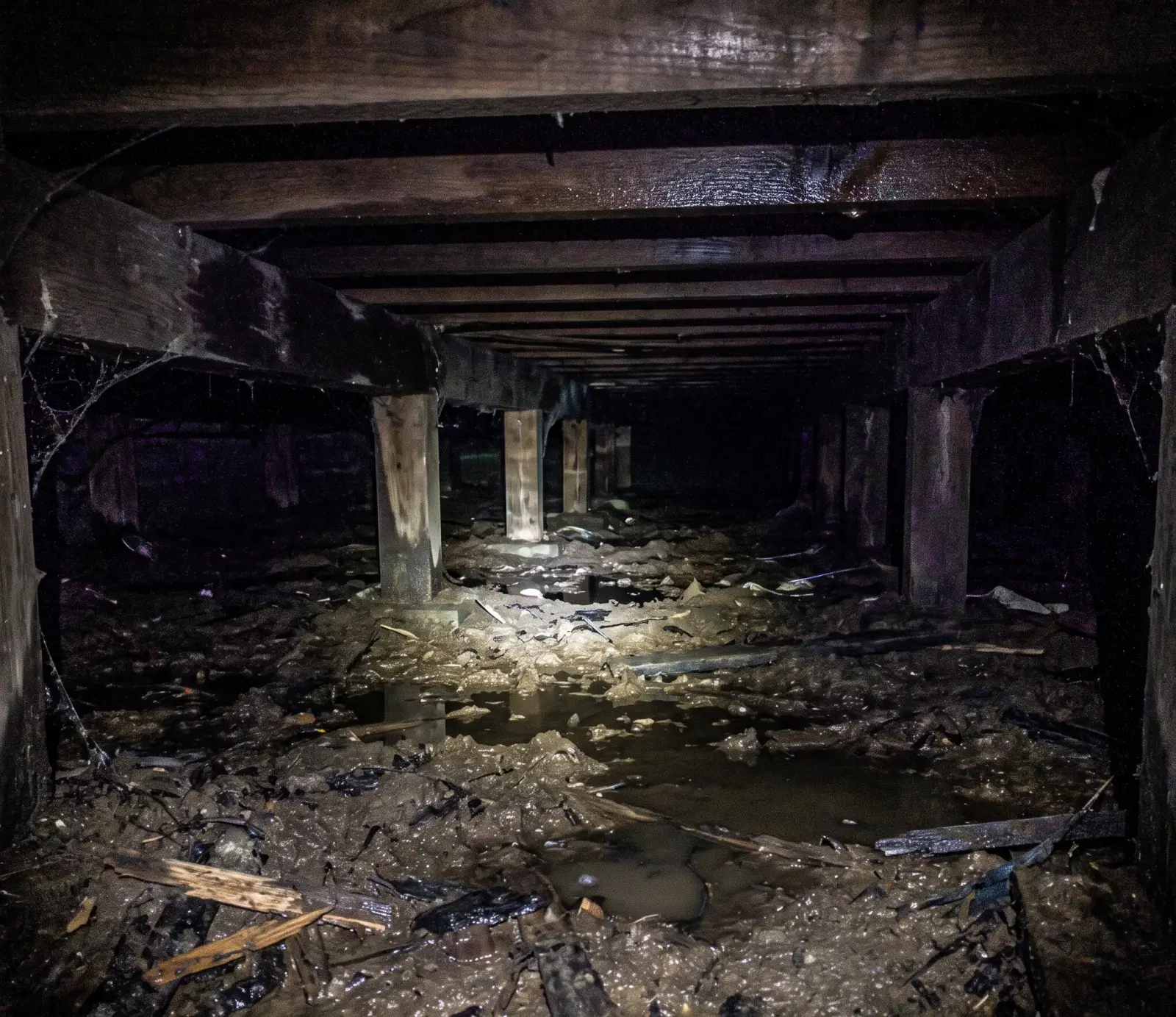
Compare DIY removal with professional extraction for pooled crawl-space water
After a wet spell, a Carmel homeowner may open a crawl-space hatch and find water sitting beneath rooms that still look normal. Carmel identifies groundwater and seasonally high water tables as possible contributors to basement water intrusion; that citywide context does not establish what caused pooling at a particular home. Nearby features such as Cool Creek and the White River also do not determine an address’s flood exposure. The immediate question is practical: can the water be reached and removed without putting someone in an unsafe, confined space?
For a home near the Monon Greenway or Carmel City Center, the pros we connect you with need the property address, hatch location, visible water, and any known utility concerns before estimating the work. On arrival, they can compare the opening and crawl-space clearance with the pool’s location, then choose equipment that fits the route. A narrow entrance or distant low spot can add setup and removal time; an obstructed path can prevent safe access. Ask for the planned removal area and written scope.
For Carmel and Fishers, Westfield and Noblesville, a landmark such as Fashion Mall cannot establish what happened indoors; Crawl Space Water Extraction planning starts with the affected rooms and surfaces at that address.
A homeowner can follow residential emergency water extraction for household service details; owners responsible for tenant or workplace space can use commercial emergency water extraction for that property's information.
A homeowner may see only a reflective patch from the hatch, with the rest of the crawl space hidden by joists or supports. That limited view makes it hard to judge how far water extends or whether a pump can reach it. From dry ground, note the visible pool’s direction and any landmarks inside that are already visible. Give those details when arranging an assessment; don’t crawl beneath the house to trace the water or test how deep it is.
Some entries leave little room to turn equipment or carry a hose through. If a hatch is partly blocked, the path narrows under framing, or stored belongings crowd the opening, removal may take more setup than the pool itself. A homeowner can describe those constraints from outside and clear items only if they are reachable without entering or disturbing the area. Do not squeeze through a tight opening; the pros we connect you with can assess whether the space is accessible.
When a homeowner finds pooled water beneath a Carmel house, the crawl-space opening and clearance determine whether the affected area is reachable. A narrow hatch, low joists, stored items, or a long route can restrict movement and limit where removal equipment can be placed. Describe the entry size, working room, and pool depth when arranging an assessment; do not enter if access or utilities may be unsafe. The pros we connect you with can assess what the space allows before choosing a removal approach. Moisture checks and drying are follow-up work.
The entry, overhead clearance, visible pool, and nearby utilities are reviewed to decide whether the crawl space can be approached safely.
The accessible route and water location are compared with the proposed equipment; tight turns or distant pools can change the scope and time.
The removal method depends on access to the water and the condition of nearby materials.
The removed-water area and access limits are recorded; moisture assessment or drying can be arranged afterward if needed.
Carmel’s engineering guidance identifies poorly draining soils and stormwater capacity as local water-management concerns. When runoff cannot drain readily, water may collect below a home, where access can limit how it is removed. For a property near Fashion Mall or Fall Creek, the address alone does not establish its drainage or flood conditions. The owner’s description of the entry and visible pool helps shape an assessment for the actual house.
Carmel’s public floodplain information and engineering guidance can help frame questions about groundwater and stormwater, but neither a ZIP code nor a nearby creek determines conditions at one house. The Arts & Design District and other parts of Carmel are useful location references when confirming whether the property is in the service area. For floodplain questions, check the individual address through the city’s resources. An extraction assessment concerns the reachable water and access conditions at the home.
Ask the pros we connect you with to state which pooled areas the estimate includes, what access limits they found, and how they plan to remove reachable water. Emergency water extraction is the urgent removal portion; moisture assessment and drying can follow as separate work. A written scope and removal record may help when sharing details with an insurer, but coverage depends on the policy. Repairs to the water source, sewage cleanup, mold remediation, and rebuilding are outside this removal scope.
A Crawl Space Water Extraction estimate in Carmel gives a cost starting point; near White River, ask the pros we connect you with to state the callout fee and included work in writing.
| Water-Touched Areas | Extraction Stage | Materials Still Damp |
|---|---|---|
| Contained spill | Monon Greenway vicinity: pooled water cleared from reachable flooring | an estimated $800–$1,600 |
| Interior section | Accessible water gathered from the included interior floor section | an estimated $920–$2,080 |
| Wider interior | Reachable pooling collected across the defined room footprint | an estimated $800–$1,600 |
| Building span | Accessible floor water removal across the included section | an estimated $1,920–$6,400 |
A proposal for a home near Broad Ripple Park may include replacement materials with different expected durability. Those selections can move the total even after standing water is gone. Ask which materials are needed for the stated work and which are optional, then consult the full pricing guide.
DIY removal may make sense for a small, reachable pool when the entry is clear and there are no utility or contamination concerns. A homeowner should not enter if wiring, outlets, unstable framing, or confined access make the space unsafe. Professional extraction can be a better fit when water extends beyond view, equipment cannot pass through the hatch, or the owner cannot work from a safe position. Describe what is visible and let the assessment guide the choice.
The equipment depends on the opening, clearance, and where the pooled water sits. Water that has spread beneath nearby items may require a different approach than an open pool. DIY equipment is only useful if it can be operated safely and reach the water. The pros we connect you with can judge the route and select a method that fits the space rather than asking an owner to force equipment through a tight entry.
There is no dependable time estimate from depth alone. The pool’s spread, distance from the hatch, usable clearance, and any barriers all affect setup and removal. A reachable pool near the opening may take less work than water tucked beyond supports or around an obstruction. Share the address and visible conditions when requesting an assessment; the estimate can reflect what is actually accessible at the home.
Stay outside and note the hatch location, whether it opens freely, and where water is visible from a stable, dry spot. A photo from there may help explain the layout. Do not move through the crawl space to take measurements or retrieve belongings. If the opening is blocked, describe what is in the way so the pros we connect you with can consider access before planning removal.
A homeowner may use a wet vacuum for a small, reachable pool if the entry is clear and electrical conditions are known to be safe. A pump may suit a larger pool when the space allows it. Crawl spaces can restrict movement and equipment placement, so describe the opening and visible conditions before deciding. If utilities may be affected or entry feels unsafe, remain outside and contact the pros we connect you with.
A note about where water entered can help explain why some areas needed attention. Photos taken from a safe position can help record what was visible before and after the work. The owner can share those details with an insurer and arrange moisture assessment or drying as follow-up work if needed. The removal record should make its scope clear.
Crawl space water extraction is estimated at $800–$1,600 for this work, subject to inspection. The connected provider confirms the amount after checking the quantity to extract, what got wet, how the area can be reached, and work limits.
A clear picture of urgent water removal starts with what the service actually handles.
Seasonal rain and changing water conditions can shape an extraction request, but only a provider can confirm current availability and give a Carmel arrival estimate.
Read article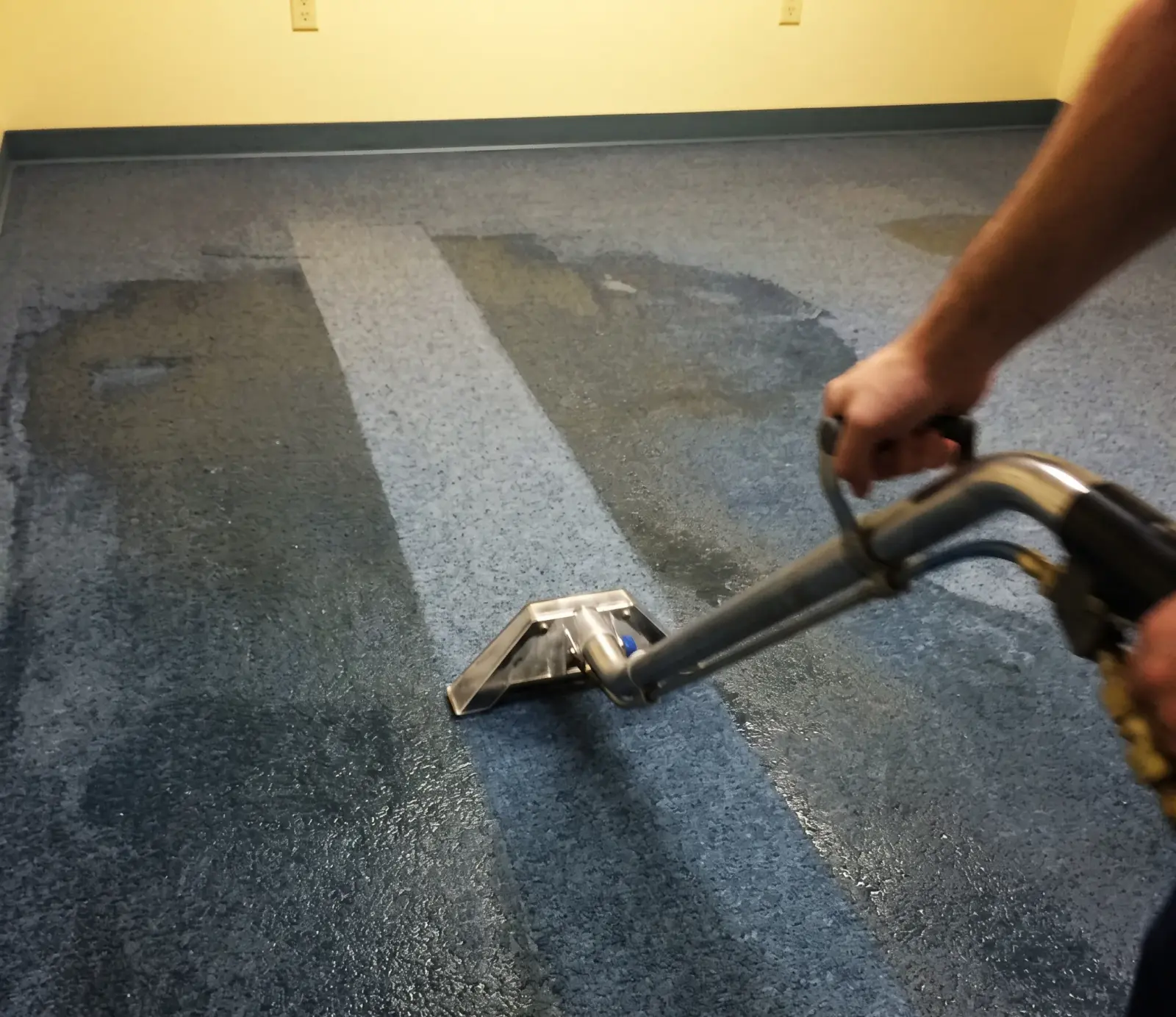
How long does emergency water extraction take in Carmel? See how water volume, room layout, surfaces, and access shape the duration estimate.
Read article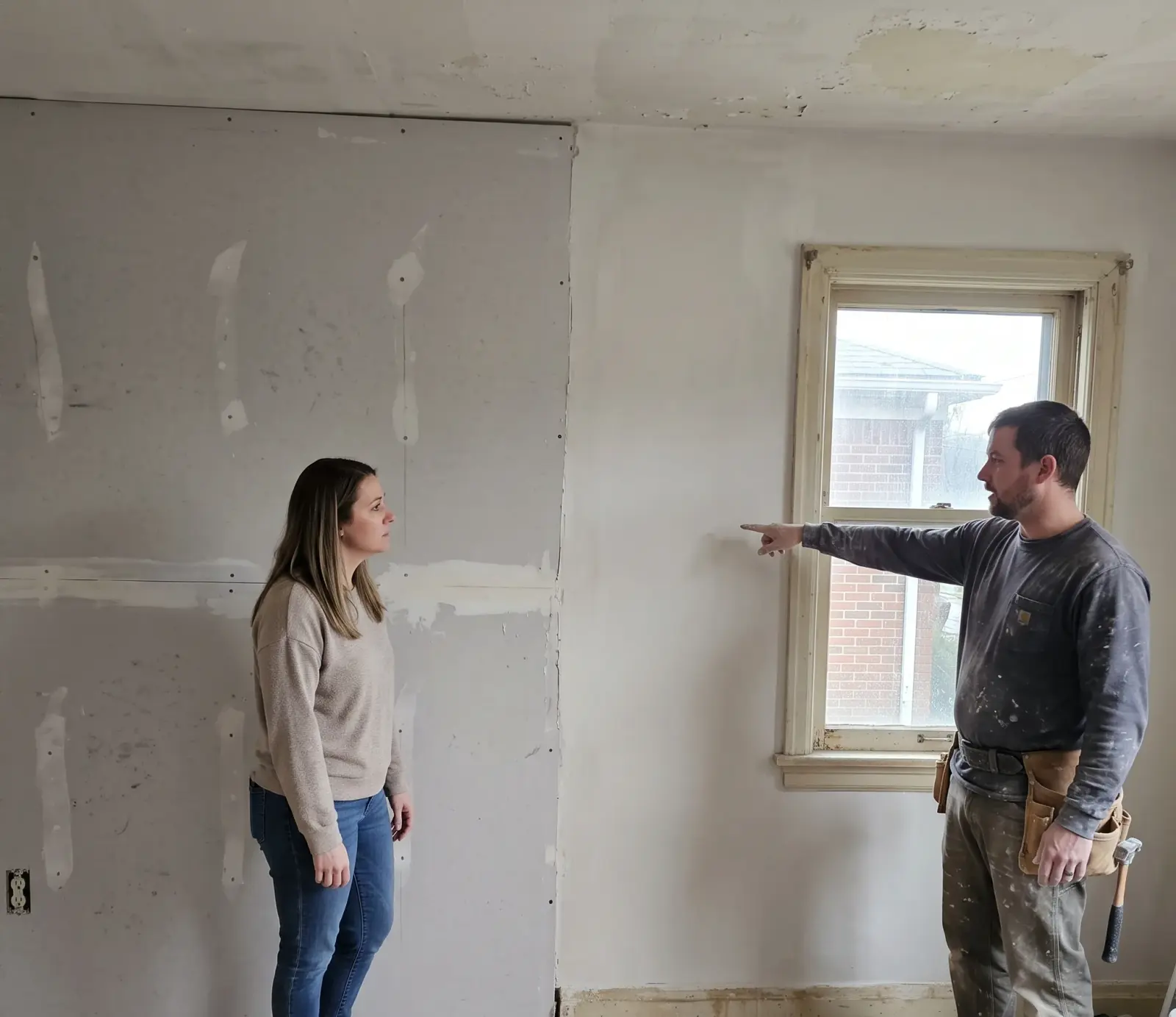
A Carmel homeowner can use visible room conditions to decide when a wet route should stay closed and what observations to share for a professional assessment.
Read articleAfter storm water enters a Carmel property, proximity to the White River or Cool Creek alone cannot establish its flood status; the address needs a property-level check. A request from near Midtown Plaza still needs details about the affected rooms and whether water appears to have come from plumbing, outside runoff, or a drain, since these can lead to different next work. Ask the pros we connect you with for a written extraction scope and an explanation of any separate work that may follow.
Call (317) 799-9832