Why Extraction Time Has No Set Duration
On the day a pipe failed, a Carmel homeowner found water moving from a utility area into the adjoining hall. How long emergency water extraction takes depends on the amount present and how far it has traveled; there is no reliable single duration for every home. A small, contained pool may take less removal work than water spread across several rooms. The water extraction time an independent local pro gives should reflect the areas to be addressed, rather than promise the same finish time for every property.
The visible edge of a pool can understate the work if water has reached another room or collected in a low spot. A homeowner near the Monon Greenway, for example, should describe what is actually present inside the house; the landmark does not establish the property’s exposure or extraction needs. Share where water was first noticed and where it has since appeared. Those details help a pro frame the likely standing water removal duration and identify what still needs to be checked.
How Room Layout and Materials Matter
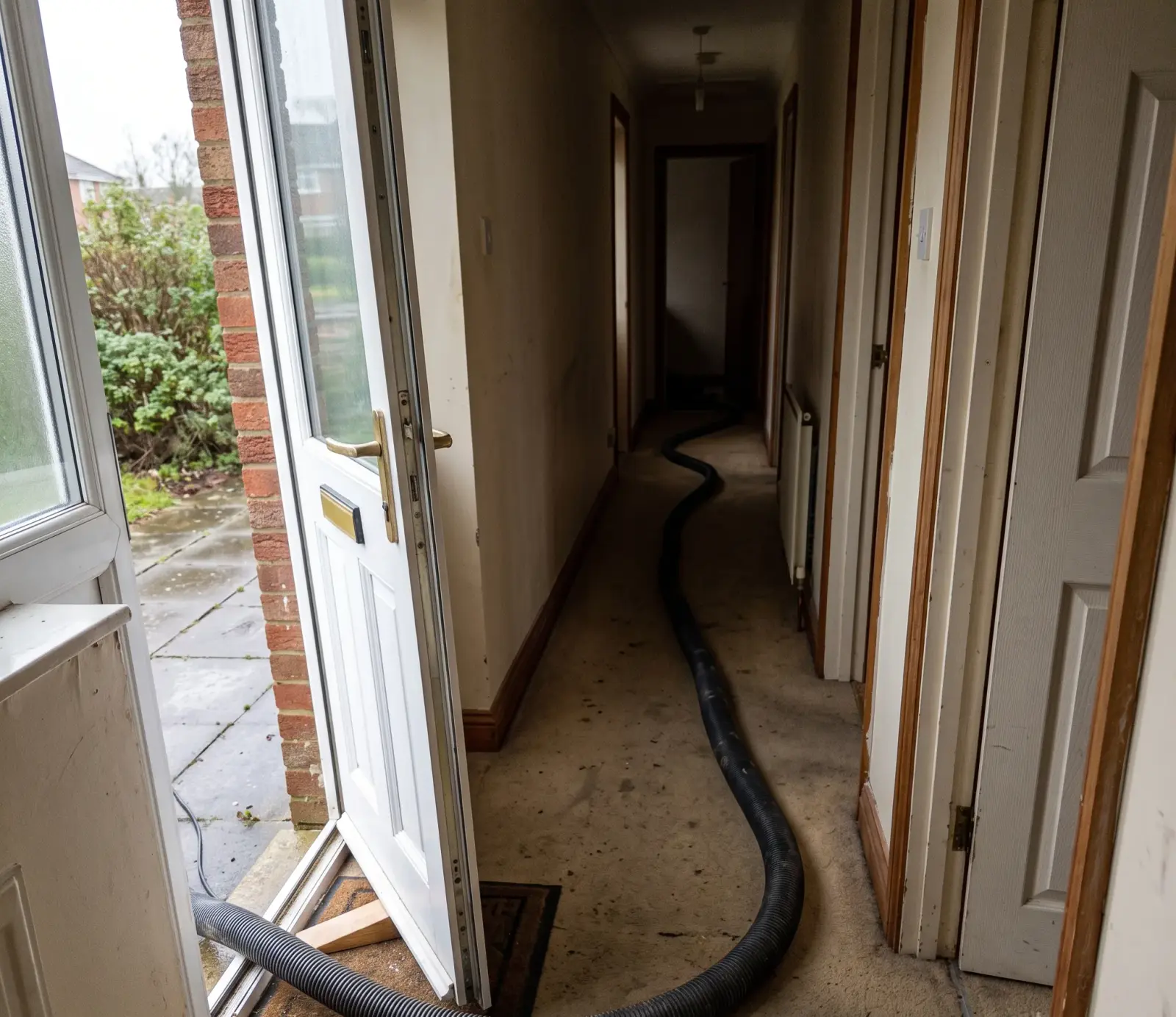
The footprint matters as much as the first room where water appeared. A shallow layer across a broad open floor calls for a different removal effort than deeper water contained in a compact area. In Carmel, stairs, doorways, and separated rooms can also affect how a pro reaches each section and moves equipment through the home. If water crossed a threshold or gathered on another level, include that in the description. Leaving out a connected area can make a time estimate too narrow.
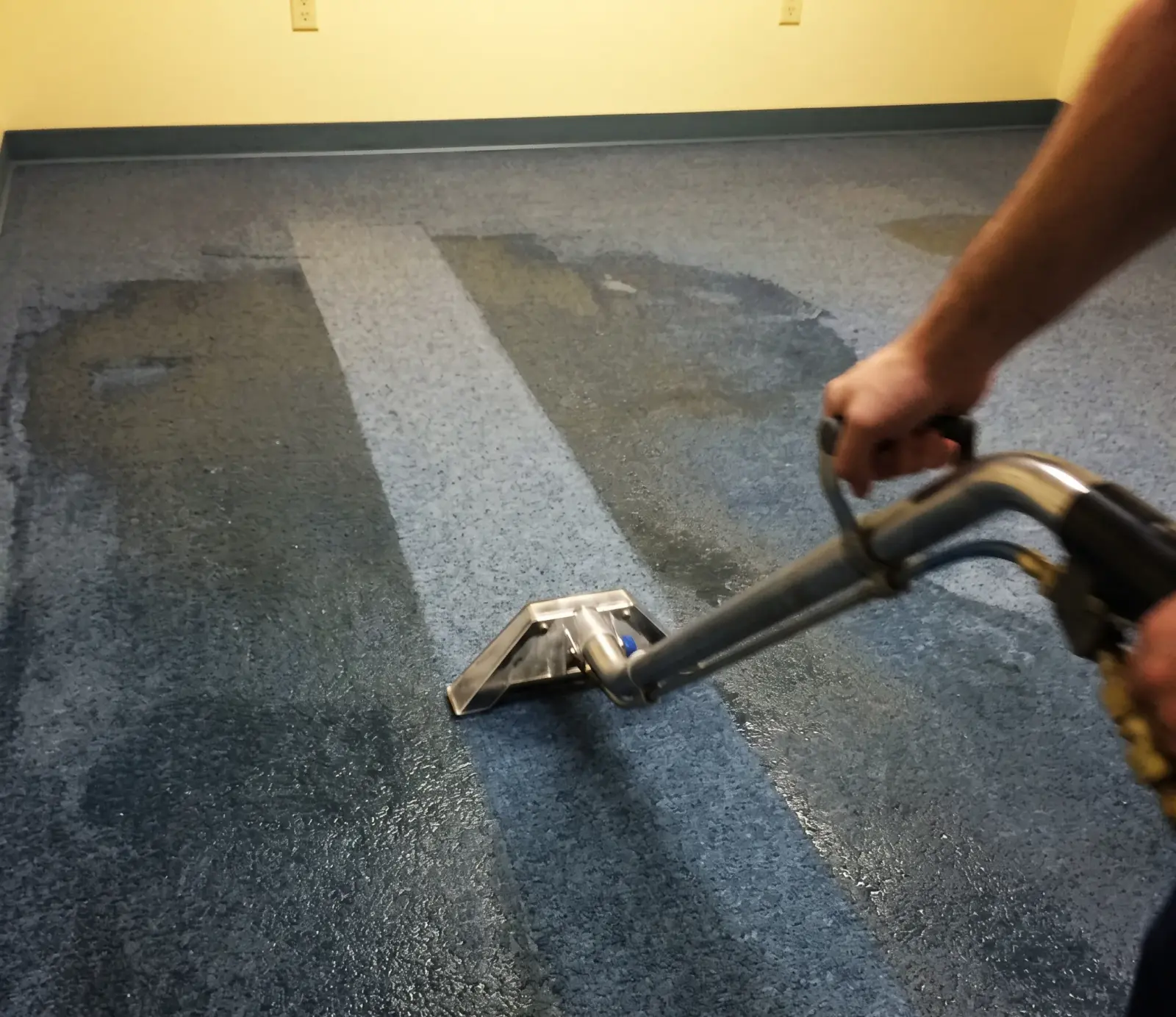
Flooring and contents change the work in different ways. Water on an open hard surface is accessible; soaked carpet, rugs, or crowded storage can make the affected area harder to reach and treat. An owner near the Arts & Design District can describe the materials and obstacles without assuming that the neighborhood predicts the job. Note which rooms are clear, which contain movable belongings, and whether water has reached beneath furniture. A pro can then explain how those conditions influence the extraction duration.
Set a Clear Extraction Endpoint
The estimate is useful only when its work area is clear. Ask the pro to name the rooms and sections included, then ask what change in the observed conditions could extend removal. A home near Carmel City Center still needs an address-specific assessment; a nearby place name says nothing about the amount of water indoors. If a new wet area appears while the work is being scoped, point it out before comparing time estimates. Different boundaries can make two duration estimates describe different jobs.
Agree on what counts as the end of extraction. Ask what equipment the estimate includes for removing pooled water in the specified areas. Ask whether the stated duration ends when visible standing water has been removed, and whether any additional area would be considered separate work. Keeping that endpoint explicit prevents a homeowner from treating an extraction estimate as a promise about the full recovery of the property.
What to Share When Asking About Time
For a useful comparison, give each independent local pro the same account: where water stands, how many areas are affected, what surfaces are involved, and what blocks access. In Carmel, mention whether the water is confined to one room or has crossed into another. Ask what assumptions their duration estimate makes and which discovery would change it. If the water may be unsafe or its source is still active, tell the pro; safety concerns and ongoing intrusion can affect how the work is approached.
A short room-by-room note is enough to make the conversation specific: mark the visible water, the route it took, and the materials or belongings in its path. Include whether there are stairs or closed-off sections. Note any belongings that may need to be moved before removal can begin. With that description, ask the pros we connect you with what controls the expected removal duration at this property and what their estimate treats as complete. This gives the homeowner a clear basis for comparing scope and time.
Dealing with standing water at your home?
A damp smell or peeling paint can also help reveal where moisture has traveled. The first call should establish whether the pros we connect you with serve that address and are available to take the job. Note which belongings and surfaces are wet before describing the pooling. Give the address first; a landmark such as Fashion Mall or Creekside Corporate Park may help clarify the location. Ask about scheduling and any visit charge before dispatch. Stay out of water near electrical equipment. Review the written estimate and confirm it covers extraction; drying, source repair, cleanup, or rebuilding may be separate.