Restaurant Water Extraction
Carmel Restaurant Water Removal
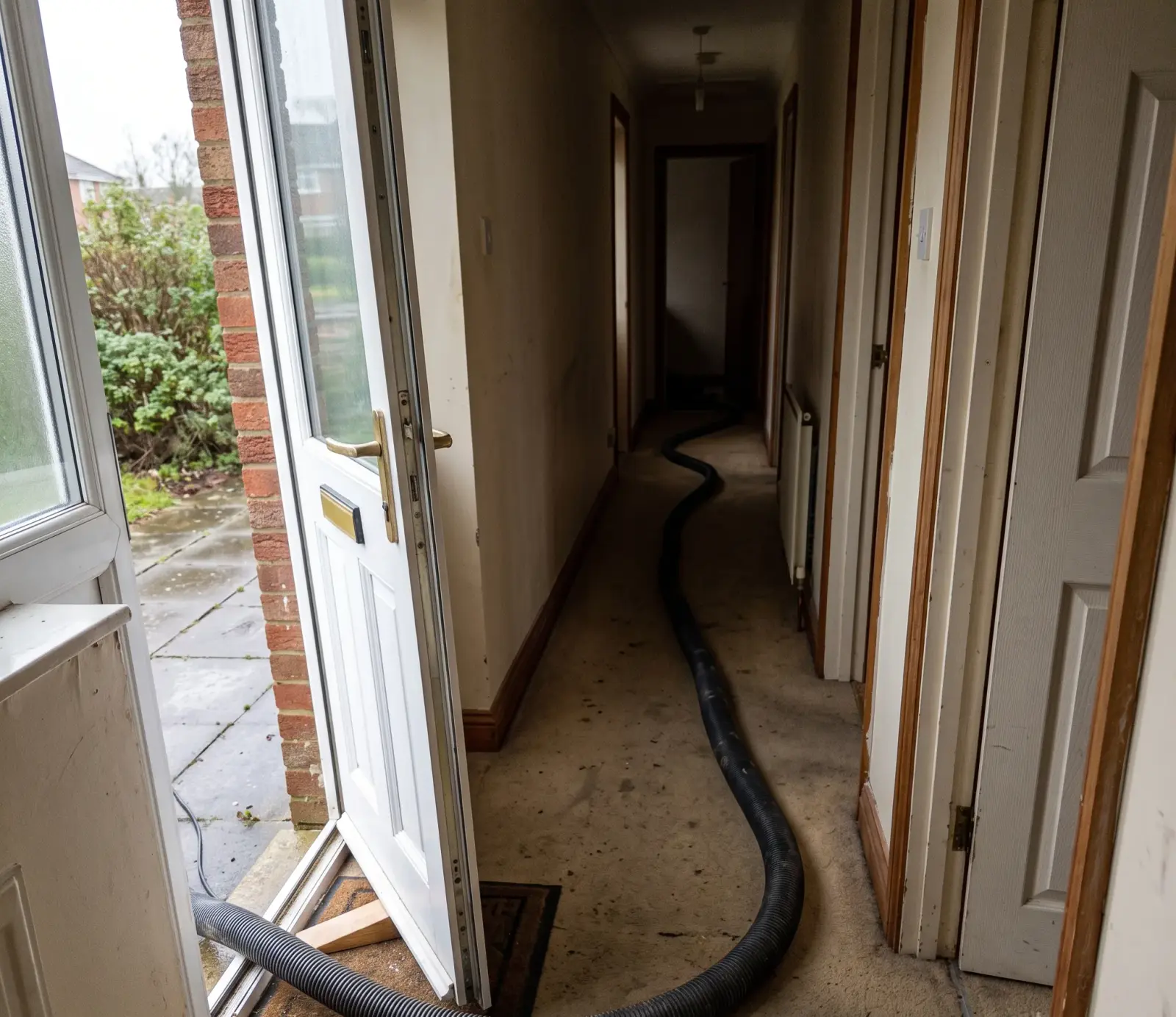
Coordinate entry, operating hours, and care routes before arranging urgent water removal at a Carmel healthcare facility.
Healthcare facilities should coordinate room access, work hours, and protected care routes with facilities and clinical operations. Give an extraction provider a clear area boundary and a contact for schedule changes; discuss drying and other follow-up separately.
Water reached an occupied care area in Carmel while patients and staff still needed the building. The first planning question is how to remove standing water without disrupting more care than the affected zone requires. Facilities staff and clinical operations should agree on who can approve entry, which activities must continue, and when a work window is possible. That shared picture gives hospital water removal a practical starting point: a defined task, a reachable contact, and a schedule that accounts for the people using the space.
In Carmel, a workable arrival time depends on more than when a room looks quiet. Consider shift handoffs, scheduled care, supply deliveries, room turnover, and the time needed to bring equipment through approved entrances. A short access window may not leave room for setup and removal, while a longer one may conflict with patient use. Facilities and clinical operations can compare those demands before requesting a schedule, then identify which hours are acceptable and who can revise that window if care needs change.
A request from Carmel should give the provider a usable arrival route and a person who can meet them. Public references such as Monon Greenway or Cool Creek can help orient someone to the city, but they do not identify a hospital entrance or controlled corridor. Use the facility’s own entrance name, check-in process, escort requirement, and equipment route. If access changes after arrival, one designated contact should pass along the revised instructions so the work does not drift into an occupied area.
Before scheduling entry in Carmel, facility personnel should decide whether the affected area is safe to approach. Water near powered medical equipment, outlets, or wiring can create an electrical hazard. Staff should keep people out until qualified personnel assess the concern and establish safe access. That decision affects the appointment itself: a provider may be ready to arrive, but work cannot sensibly begin until the facility has cleared the route and identified any equipment that must remain untouched or be moved by facility staff.
Some Carmel care areas need a tighter entry plan because patients, records, or sensitive equipment remain present. Clinical operations can specify whether an escort is needed, what doors must stay controlled, and whether activity in the room must pause during removal. Those limits belong in the schedule as well as the access instructions. If privacy or continuous care changes the available window, the provider needs that information before dispatch so arrival does not create pressure to bypass facility rules.
| Facility area | Access window | Removal plan |
|---|---|---|
| Clinical Area Access | Facilities contact | Name who can authorize entry and set work limits |
| Work window | Operating schedule | Flag busy periods, shift changes, and times rooms can pause use |
| Entry route | Service access path | Choose a route that avoids active patient circulation |
| Protected zone | Care-sensitive rooms | Identify spaces requiring clinical clearance before access |
| Room status | Closure and reopening | Agree who decides when an affected room can return to use |
| Map reference | Carmel City Center; Arts & Design District; Monon Greenway | Optional orientation cues; confirm the facility's actual address |
| Removal limit | Included rooms and surfaces | Specify where standing water will be removed |
| Next handoff | Moisture assessment | Arrange separately for drying, cleaning, or restoration after extraction |
For a Carmel healthcare water extraction request, define the work by the facility’s room names and boundaries. Include the floor, adjoining spaces, and any passage that may be needed to reach the water. A broad label such as “back hall” can mean different things to clinical and facilities staff, which may leave a vendor waiting at the wrong door or entering the wrong zone. A shared room list lets the people approving access and the people performing removal refer to the same area.
A Carmel team should decide how staff will learn that an area is closed, open, or changed during the work. Use the facility’s established internal notice or handoff process, and name the person responsible for updates. The work boundary may shift if access to a neighboring room becomes necessary. Without a clear way to relay that change, staff may route patients or supplies through an area that still needs to remain clear.
Plan the movement around the affected zone before a provider arrives in Carmel. Identify a route for people and a separate path for equipment where the building allows it; otherwise, choose times when the shared corridor can be controlled. Monon Greenway is a familiar Carmel reference, but inside the facility the useful directions are specific doors, elevators, and hallways. A workable route can reduce crossings with patient movement and keep staging from narrowing an essential passage.
In Carmel, ask what equipment the provider expects to bring and how it will reach the wet area. A pump or wet vacuum can collect pooled water, but staging space, power access, hose paths, and door clearance may affect where and when it can be used. Facilities staff can identify restrictions in advance, including routes that cannot be blocked. This helps both sides decide whether the proposed work window allows for setup, removal, and a clear exit from the area.
Choose a Carmel facility contact who can confirm arrival, escort access, and changes to the approved work area. That person should be able to reach both facilities staff and clinical operations, or know who can. If several departments each assume another is coordinating, a provider may arrive without an escort or receive conflicting directions. A single update path keeps schedule changes tied to the facility’s decisions and gives the provider a clear way to report when the assigned removal task is finished.
In Carmel, agree on what completion means before the extraction visit is scheduled. The provider can remove standing water, but that task alone does not show whether moisture remains in floors or other materials. The facility may need a separate moisture assessment and drying plan, coordinated around continued room use. Keep those steps distinct in the work discussion so staff know whether the area is ready for another purpose or whether access restrictions need to continue after visible water is gone.
Commercial water extraction cost for a Carmel medical facility can depend on the amount of water, how restricted the route is, the usable work hours, and the space available for equipment. Ask the provider to explain which conditions affect the proposed scope and schedule. If an evening window, escort, or staged access changes the work, clarify whether that changes the estimate. This lets the facility compare the requested removal task with its operational constraints without assuming a price or coverage outcome.
Before arranging removal in Carmel, facilities and clinical operations should settle who approves access, which rooms are included, what hours are workable, and how staff will hear about boundary changes. Add any escort, equipment route, or occupied-area restriction that could shape the visit. This coordination is useful whether the internal directory identifies a site as Vincent Hospital or by another facility name: the provider needs the actual entrance and room instructions, while the facility retains control of its operating decisions.
Once the Carmel team has aligned on access and timing, ask an independent extraction provider to discuss the affected area, site constraints, and removal scope. The pros we connect you with can explain what entry and equipment access the task requires and how schedule updates can reach the named contact. Ask what conditions could prevent the planned work window from proceeding, and how completion will be communicated. Keep drying, cleaning, source repair, and restoration as separate questions when they fall outside standing-water removal.
A facility manager may first notice water crossing a service corridor before the next shift begins; then every minute of access planning matters. In Carmel, healthcare water extraction needs a schedule built around which rooms can pause, when staff can admit workers, and which routes must stay clear. Give the provider a room-by-room boundary and a contact who can resolve changes during the visit. Access windows, escorts, and equipment limits can affect the commercial water extraction scope and cost. Removal handles visible water; drying, cleaning, and restoration need separate discussion.
When water reaches a property, establish whether extraction requests are taken in that service area; the communities where an address may be considered includeFishers, Carmel and Westfield. Before setting a time, check for an assessment charge and ask that urgent water removal and any drying be scoped independently.
At a warehouse, the quote can reflect each service visit, the portion of the floor affected, and whether water removal must be repeated. $700–$1,400 helps frame the estimate; shelving, loading-area access, water depth, and spread into adjoining storage sections influence the work.Ask which cleanup tasks the estimate covers so the scope is clear before work begins. When calling, describe those conditions, where water remains, and any active source. Give the address and a reference such as Fashion Mall or Fall Creek.For complete Emergency Water Extraction costs, see pricing guide; commercial overview outlines commercial water removal and how lingering moisture is addressed.
Carmel Restaurant Water Removal
Carmel Hotel Removal
School Campus Response
Have facilities and clinical operations agree on a workable entry period and identify rooms that cannot be interrupted. A Carmel facility can share department names, access hours, and any quiet periods with the provider before arrival. If use of a room changes, the designated contact should relay the change so the work plan can be adjusted around current care needs.
Set the check-in point, admission contact, and permitted arrival window before dispatch. Note any escort requirement, restricted doorway, or equipment movement limit that affects access. For a Carmel site, a familiar reference such as the Arts & Design District can help distinguish the location when coordinating, but the street address and facility instructions should guide entry.
In Carmel, start by deciding who can release each affected space. Facilities staff should identify patient-care areas, controlled entrances, equipment routes, and rooms that must stay operational, then have clinical operations set access boundaries before work begins. Name a point person and agree how units will be updated if those boundaries change. Ask an independent extraction provider to discuss site constraints and define which areas the urgent removal scope covers; drying, cleaning, and repairs are separate work.
That decision belongs to facility leadership after reviewing affected rooms, nearby routes, and care needs. The extraction provider can discuss work boundaries and timing, but cannot determine whether clinical operations should continue. If an area or route cannot be kept safely available, staff should decide how to restrict or redirect access before work proceeds.
Keep affected equipment and materials identified during planning so the licensed pros we connect you with can account for them during removal.
Call (317) 799-9832