Healthcare Facility Water Extraction
Healthcare Water Extraction
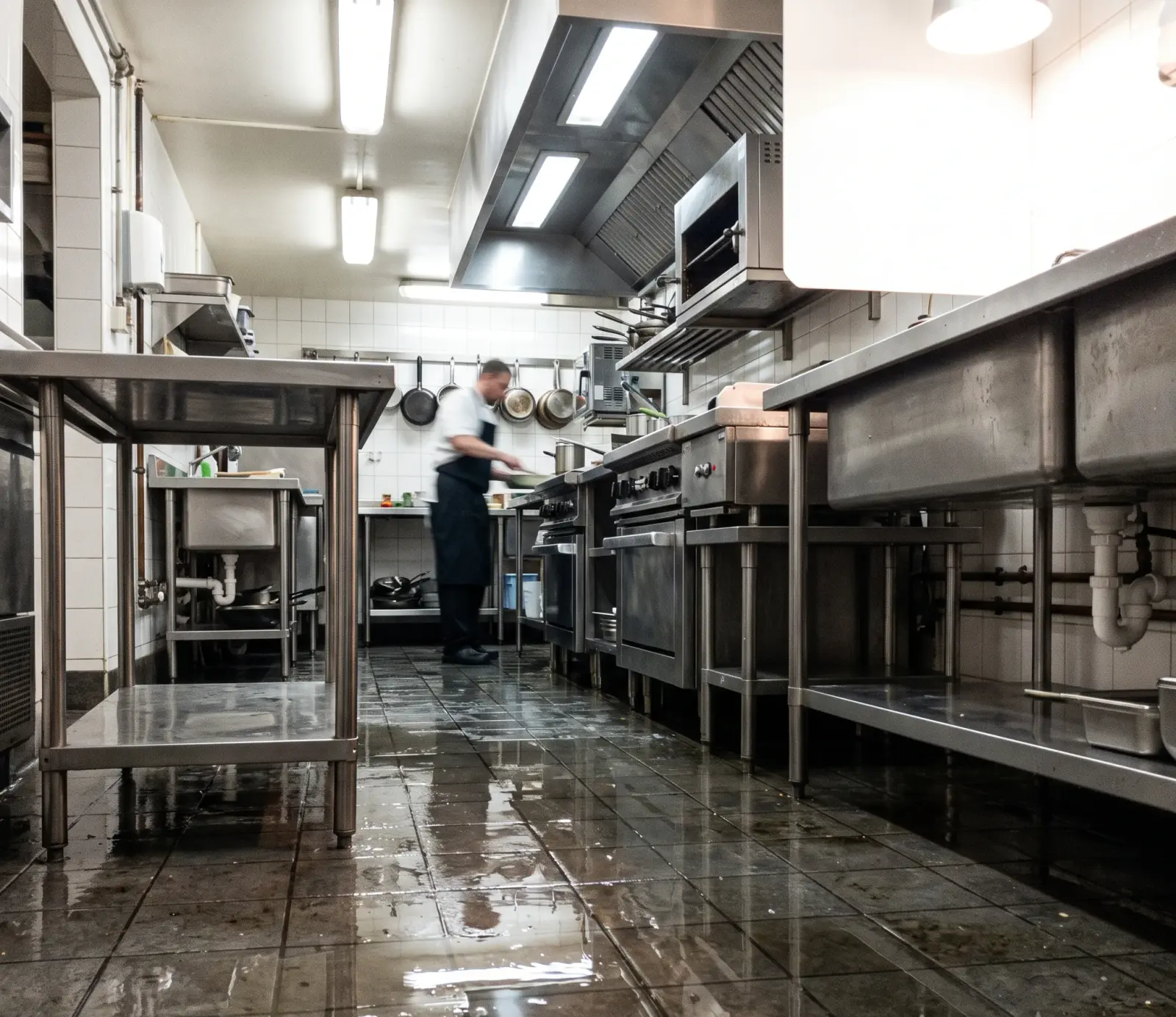
A Carmel guide to restaurant water extraction, access planning, and coordinating removal across dining, kitchen, and service zones.
Restaurant water extraction removes pooled water from agreed dining, kitchen, and service zones. The provider and manager coordinate access and work boundaries; moisture checks and drying may be separate follow-up. The scope depends on affected areas, access, and equipment constraints.
A restaurant water emergency can leave separate pools across the dining floor, kitchen, and service route, each with different access needs. In Carmel, the useful question is how standing water will be removed without losing track of which spaces are included or disrupting work elsewhere. The pros we connect you with can discuss the affected zones, entry paths, and how operations will coordinate around the work. This page follows that sequence: identify the areas, agree on scope, then consider what needs attention after extraction.
Start with the moment staff noticed the problem: perhaps water appeared by a dining-room threshold during opening, or a kitchen floor was wet after a shift. Record what was observed and which rooms were affected, without asking anyone to cross unsafe water. A Carmel operator can use nearby reference points such as the Arts & Design District to describe the general location, but the provider will need the restaurant’s actual address. If electrical safety is uncertain, keep people clear and seek qualified help.
Restaurant water extraction means removing pooled water from affected restaurant spaces. The pros we connect you with may use pumps or wet vacuums, depending on the conditions and access. That work addresses standing water; it does not establish that floors, wall edges, or other materials are dry. For commercial kitchen water removal, the provider should identify which kitchen surfaces and adjoining work areas are part of the requested extraction. Drying assessment and equipment can be discussed as follow-up work.
A useful handoff begins with a map that follows how the restaurant functions. Mark the dining floor, cooking area, preparation space, dish station, and service counter separately, then show where water was seen in each. At a Carmel City Center location, for example, a simple room-by-room description is more useful than saying the whole site is wet. Distinct labels help the provider explain which spaces can be addressed and make it easier for an operations lead to coordinate people around those boundaries.
Access can determine the order of work. A route used for deliveries may also be the only practical way to reach a wet kitchen, while a dining entrance may be needed by staff or customers. Identify locked doors, stored supplies, carts, and periods when a passage cannot be cleared. The Monon Greenway is a helpful Carmel-area reference when giving directions, but on-site access details matter more to extraction planning. Agree on who can open each route and who can keep others away from active work.
| Work zone | Water location | Entry needs |
|---|---|---|
| Dining floor | Pooled water around chair legs near Carmel City Center | Mark closed seating and note the boundary |
| Cooking line | Water collected at appliance bases | Identify blocked edges before equipment placement |
| Prep aisle | Spread between prep stations near Arts & Design District | Keep a clear path for extraction equipment |
| Dishwashing bay | Water around sink stands and floor drains | Coordinate access around washing tasks |
| Cold room entry | Water across the doorway and floor joint | Separate stock movement from the work area |
| Pickup counter | Wet floor between kitchen and handoff | Route staff around active removal |
| Dry storage | Pooling below shelving near Midtown Plaza | Note floor coverage and items limiting access |
| Receiving bay | Water covering the delivery entrance | Set a delivery pause or alternate route |
Before equipment is brought in, ask the independent provider to describe the extraction boundary in plain terms. Which dining, kitchen, and service zones are included? Is a connecting passage part of the work, or does it need separate assessment? A clear answer prevents an assumption that treating one visible pool covers adjoining rooms. It also lets the operations lead plan around the agreed work area. If the scope changes after access or conditions are reviewed, ask what changed and which areas are affected.
Removing water from the floor is one part of the response. Damp flooring, base edges, or other materials may remain after visible pools are gone, so a separate moisture assessment may indicate whether drying equipment is needed. The extraction provider can explain where that follow-up begins and whether another provider or work phase is involved. In Carmel, an operator near Midtown Plaza can apply the same distinction: extraction addresses pooled water, while assessment and drying address moisture left behind.
The commercial water extraction cost can vary with the volume of pooled water, the number and size of affected zones, the surfaces involved, and the routes equipment must use. A dining room connected to a kitchen and service corridor may take different coordination than a single accessible area. Ask the provider to explain which conditions shape the proposed work and whether follow-up drying is included or separate. A site-specific discussion is more useful than assuming the room count alone determines the scope.
Extraction can interfere with meal preparation, dish handling, deliveries, or movement between the kitchen and dining area. An operations lead should identify which activity must pause in each zone and who can authorize access while equipment is in use. That coordination helps the provider work without staff crossing an active area or moving supplies through it. In Carmel, the restaurant’s own schedule and layout determine the workable sequence; nearby landmarks such as Carmel City Center do not establish site access or operating conditions.
Keep the extraction discussion tied to the locations the provider actually reviewed. If the dining floor was accessible but a storage area or kitchen corner was not, note that difference for the follow-up conversation. A written scope can help an owner, property contact, or insurer understand what removal work was proposed, while photos and other records can capture conditions for later review. These records support coordination; they do not confirm that the premises are dry or that an insurance claim will be covered.
When the visible water has been removed from an agreed zone, ask whether the provider considers extraction complete there and whether any area remains outside the work boundary. A pump stopping only means its current task has ended. The next decision may be whether damp materials need assessment or drying, which is separate from removing pooled water. For a Carmel restaurant, making this distinction zone by zone helps operations plan a careful handoff instead of treating one cleared floor as proof that every affected space is ready.
A surface that looks dry can still have moisture at seams or material edges. Ask what follow-up evaluation is available and what it covers before staff resume normal use of the affected area. If the water source is still active, source repair also needs separate attention; extraction alone will not stop more water from entering. Any suspected contamination calls for a separate discussion with the provider before work proceeds. Those boundaries clarify what the removal visit has addressed and what still requires attention.
When contacting an independent extraction provider, have the restaurant address, a short list of affected zones, and a description of available entrances ready. Note what staff observed and any route that must stay open for operations. You can also mention a Carmel reference point, such as the Arts & Design District, to help orient the conversation, then give the actual site details. Do not send staff into standing water to gather information; if electrical hazards may be present, keep the area clear and get qualified guidance.
After discussing the visit, compare the proposed work area with the zone list and note anything that could not be reached or assessed. Ask how the provider will coordinate entry, which operational contact should be present, and whether moisture assessment or drying is a separate next step. If restaurant activity must remain paused in a particular area, include that constraint in the discussion. This gives the owner a practical basis for choosing an independent provider and planning the next handoff without assuming extraction resolves every water-related issue.
When a water release reaches a dining room, kitchen, or service passage, the manager needs a clear boundary for the removal work before normal traffic resumes. In Carmel, note the affected zones and the route equipment can use; a nearby reference such as the Arts & Design District or Midtown Plaza can help identify the site. Ask the provider to state which areas are included and what access they need. That shared scope gives operations a basis for scheduling closures and arranging a handoff for moisture checks or other follow-up.
A request begins with location: review the places listed below, then ask the pros we connect you with whether extraction is available for the affected property, includingWestfield, Noblesville and Fishers. Before booking, ask the pros we connect you with whether an inspection or mileage fee applies and have the quote separate water pickup from later drying.
An office estimate can be organized around attendance, the footprint requiring removal, and expected repeat work. Use $700–$1,400 as a reference point; partitions, occupied work areas, stair access, and water extending beneath built-ins may change the amount of extraction involved.Ask which cleanup tasks the estimate covers so the scope is clear before work begins. When calling, describe those conditions, where water remains, and any active source. Give the address and a reference such as Fashion Mall or Fall Creek.For complete Emergency Water Extraction costs, see pricing guide; commercial overview outlines commercial water removal and how lingering moisture is addressed.
Healthcare Water Extraction
School Campus Response
Carmel Hotel Removal
Include each place where pooled water is visible, then consider adjoining service paths or rooms where it could have traveled. For a Carmel site, a landmark such as the Monon Greenway can help identify the location during a call, while the work boundary should name the actual dining, kitchen, and service zones. Note any area still receiving water so the provider can distinguish removal from attention to the source.
It depends on whether the affected area can be kept apart from guest and staff movement. A Carmel manager can ask the provider which zone must close, what route equipment will use, and whether another section can remain accessible without crossing the work area. The operating plan may change if water spreads or access needs shift, so staff need a clear way to receive updates.
Staff should not move heavy or connected kitchen equipment to reach pooled water. Identify which fixtures are fixed and tell the provider where access is restricted; tool placement and the reachable area may depend on that layout. If standing water is near wet outlets, appliances, or wiring, keep people clear and seek qualified guidance before entering.
Extraction addresses water pooled on the agreed surfaces. It does not establish that flooring or other materials have dried, and it does not repair the leak or other source. In Carmel, ask whether moisture checks and drying equipment are planned as follow-up, and keep those tasks distinct from the removal scope.
List the wet zones, equipment limits, and operating windows, then ask an independent extraction provider to discuss scope and coordination for your Carmel restaurant.
Call (317) 799-9832